Executive Order: PENGASSAN raises alarm over threats to jobs
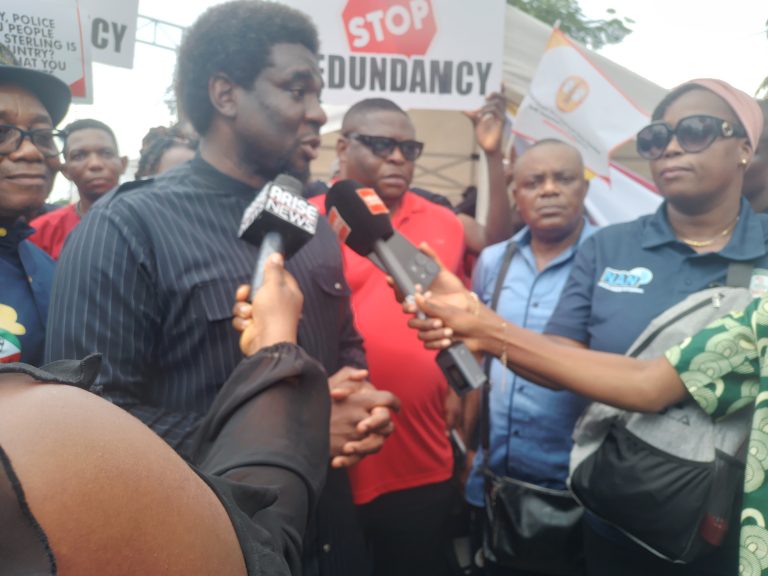
The Petroleum and Natural Gas Senior Staff Association of Nigeria (PENGASSAN) has warned of looming job losses in Nigeria’s oil and gas sector following a new Executive Order by President Bola Ahmed Tinubu restructuring the remittance of industry revenues to the Federation Account.
At the heart of the concern is the directive mandating the direct transfer of royalty oil, tax oil and profit oil to the Federation Account, effectively eliminating the 30 percent management fee previously retained by the Nigerian National Petroleum Company Limited (NNPCL) on profits.
The Federal Government says the measure is designed to boost transparency and strengthen statutory allocations to federal, state and local governments.
Presidential spokesman Bayo Onanuga had said the order would reduce discretionary fund retention and improve accountability in the management of oil revenues.
But oil workers argue that the fiscal shake-up could come at a steep human cost.
Speaking in Lagos, PENGASSAN President, Festus Osifo, warned that the restructuring may destabilise the sector and trigger significant job cuts, particularly within NNPCL.
“While we recognise the intention to enhance fiscal accountability, we must also consider the unintended consequences on workforce stability,” Osifo said. “If not properly managed, this could lead to job losses that will affect thousands of families.”
He stressed that the oil and gas industry remains central to Nigeria’s economic survival, accounting for a significant share of foreign exchange earnings and government revenue, and cautioned against reforms that could undermine operational confidence.
Osifo recalled that the Petroleum Industry Act (PIA), enacted in August 2021, was carefully crafted to provide regulatory clarity, improve fiscal transparency and restore investor confidence after years of declining investment.
“We worked with stakeholders and legislators to ensure a law that would stabilise the industry and incentivise global investment,” he said. “Policy consistency is critical. Sudden changes without broad consultation can unsettle the system.”
According to him, Nigeria is competing in a tight global investment climate, where capital flows to jurisdictions offering predictability and stable returns.
“There is intense global competition for investment capital, and policy clarity helps Nigeria remain an attractive destination,” Osifo added. “When investors are uncertain, projects slow down. And when projects slow down, jobs are the first casualties.”
He emphasised that protecting jobs across the oil and gas value chain from upstream exploration to downstream services must be treated as a national priority.
“This industry must continue to grow. When the industry grows, jobs are protected and the broader economy benefits,” he said. “When it shrinks, the impact is felt in households, communities and government revenues.”
PENGASSAN is therefore calling for urgent consultations between government, regulators, operators and labour unions to ensure that the implementation of the Executive Order does not erode employment or investor confidence.
“We must sustain the progress achieved and ensure that reforms continue to support growth, efficiency and national development,” Osifo said, urging policymakers to engage labour leaders before further steps are taken.
As the new revenue framework takes effect, oil workers say the clock is ticking and that meaningful dialogue may be the difference between fiscal reform and a wave of redundancies in one of Nigeria’s most critical sectors.