Save lives, fix Nigeria’s healthcare system now – Rhema Bishop urges governments

Akinola demands affordable treatment, stronger primary healthcare, better medical workers’ welfare; warns poverty must not deny Nigerians lifesaving care
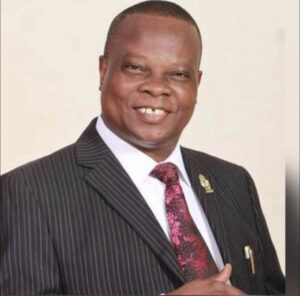
Presiding Bishop and Pastor-General of Rhema Christian Church & Towers, Archbishop Taiwo Akinola, has called on governments at all levels to urgently overhaul Nigeria’s healthcare system, demanding affordable medical services, functional primary healthcare centres and improved welfare for health workers to prevent avoidable deaths and protect vulnerable citizens.
Akinola made the call on Tuesday during a press briefing at Champion Peace Cathedral, along the Lagos–Abeokuta Expressway, Temidire, Sango-Ota, Ogun State, where he highlighted inadequate medical infrastructure, shortages of healthcare professionals, expensive treatment and unequal access to essential services as major challenges confronting Nigerians ahead of the 2027 general elections.
The cleric warned that healthcare must become a central priority in public policy, insisting that economic growth and government spending would mean little if ordinary citizens continued to struggle to access essential medical attention. “No Nigerian should be denied essential medical attention merely because of poverty,” Akinola declared, urging federal, state and local governments to make healthcare delivery more accessible, affordable and responsive to the needs of the population.
Citing World Bank development indicators, the bishop noted that Nigeria’s life expectancy at birth was approximately 54.6 years in 2024, a figure he said underscored the urgency of sustained investment in healthcare delivery, nutrition, sanitation and improved living conditions. He called on policymakers to move beyond promises and implement measurable interventions capable of improving health outcomes and extending lives.
Akinola identified functional primary healthcare centres as a critical starting point for reform, urging governments to ensure that facilities, particularly those serving underserved communities, could provide reliable basic medical services. He also called for improved access to essential medicines, affordable health insurance, emergency treatment and maternal and child healthcare, stressing that the health needs of poor households must not be overlooked in budgetary decisions.
The Rhema leader further demanded improved welfare for medical personnel, pointing to the importance of supporting healthcare workers who provide essential services to the population. He advocated policies that would strengthen the health workforce, improve working conditions and help ensure that Nigerians could obtain timely and appropriate treatment. According to him, sustainable healthcare reform requires investment not only in buildings and equipment but also in the professionals responsible for delivering care.
He also urged governments to intensify preventive healthcare, including immunisation, nutrition programmes, sanitation and mental health services. Akinola maintained that preventing diseases and detecting health problems early should receive greater attention alongside the treatment of established illnesses. He argued that a stronger preventive health system could help reduce avoidable suffering while improving the wellbeing and productivity of Nigerian families.
On the rising cost of living, the bishop warned that the high prices of food, transportation, housing, electricity and healthcare were placing additional pressure on households already struggling to meet basic needs. He called for economic policies that would improve citizens’ purchasing power and strengthen social protection for vulnerable groups. Akinola argued that healthcare affordability could not be separated from the broader economic realities confronting Nigerians, particularly families forced to choose between medical expenses and other necessities.
The cleric also raised concerns about substance abuse, particularly among young Nigerians, and called for stronger collaboration among the National Drug Law Enforcement Agency, schools, parents, healthcare professionals, religious institutions and community leaders. Referring to the 2018 National Drug Use Survey, conducted with support from the United Nations Office on Drugs and Crime, he noted that an estimated 14.4 per cent of Nigerians aged 15 to 64 had used drugs during the preceding year. He stressed that the historical finding highlighted the need for updated national data, preventive education, counselling, rehabilitation and reintegration programmes.
Akinola insisted that young people experiencing substance dependence should receive appropriate treatment and compassionate support, while criminal networks exploiting vulnerable individuals must face lawful consequences. He called for a coordinated response that would combine public health interventions with enforcement against trafficking and illegal distribution, warning that Nigeria could not afford to abandon a generation whose creativity and potential were vital to national development.
Food safety also featured prominently in his health advocacy, with the bishop urging the National Agency for Food and Drug Administration and Control, the Standards Organisation of Nigeria and other relevant authorities to strengthen surveillance, laboratory testing and market inspections. He warned that contaminated, adulterated, expired and otherwise unsafe food products posed serious public health risks, calling for effective enforcement against hazardous substances and unsafe food-handling practices. He added that consumers needed timely warnings and reliable information to make informed decisions about the food they purchased.
Linking healthcare reform to the approaching 2027 elections, Akinola urged Nigerians to evaluate political parties and candidates on their ability to improve public services and citizens’ living conditions. He called on the Independent National Electoral Commission, security agencies, political parties and civil society organisations to work towards peaceful, transparent and credible elections, while encouraging citizens to participate responsibly in the democratic process. He maintained that the quality of leadership should be judged by tangible improvements in people’s lives, including access to healthcare.
The bishop also urged government to tackle unemployment and limited economic opportunities through investment in infrastructure, reliable electricity, affordable financing and sectors capable of generating jobs. He encouraged educational institutions, businesses, faith-based organisations and philanthropists to support vocational training, mentorship and enterprise development. According to him, a healthier population and a stronger economy must advance together if Nigeria is to achieve sustainable development.
Beyond government action, Akinola called on citizens, religious institutions and community leaders to embrace responsible citizenship, compassion and practical service. He said the Church had a continuing role in promoting health awareness, supporting vulnerable people and encouraging integrity in public life, while maintaining its non-partisan position on electoral politics. He stressed that spiritual conviction should inspire constructive action rather than indifference to the suffering of fellow citizens.
The press briefing also announced Rhema World Convention 2026, scheduled for November 1 to 8 at Champion Peace Cathedral, Sango-Ota, to mark the church’s 35th anniversary. The convention, themed “More Than Conquerors” and drawn from Romans 8:37, will feature worship, biblical teaching, prayers and ministrations by invited clerics. Sessions are scheduled for 6 a.m., 10 a.m. and 5 p.m. daily, with a special Hosanna Night of Power and Praise on Friday, November 6, at 9 p.m. The grand finale on Sunday, November 8, will feature Holy Communion, thanksgiving, special impartation and commissioning.
Concluding his address, Akinola called on political leaders to prioritise the welfare of citizens, public institutions to fulfil their responsibilities and Nigerians to reject apathy in confronting the nation’s challenges. He said the convention’s theme represented a message of faith, courage and responsibility that should inspire practical responses to national problems. His appeal was clear: governments must strengthen healthcare funding and delivery, regulators must protect consumers, and citizens must demand measurable results. As the country approaches another election cycle, the bishop urged leaders to make protecting lives and improving the health of Nigerians an urgent national commitment.